A workshop reminder should help someone arrive with the right materials, without buying things the organizer already supplies. AI can organize a messy planning note, but it can also turn suggestions into requirements or fill an empty quantity with a plausible guess.
This example is for a craft organizer turning confirmed instructor notes into participant instructions. It complements our packing-checklist guide. Here the important distinction is ownership: what participants bring, what the workshop provides, and what remains optional. The workshop and notes below are fictional.
Start with the instructor's actual decisions
Gather the approved materials list before asking for a polished reminder. For each item, record who provides it, the quantity or specification if known, and whether it is required. Keep unresolved questions separate. A model should not decide whether a particular needle size will work for the instructor's project.
For example, “yarn included” and “bring yarn if you want” can both be true. The second phrase may refer to an optional personal project. Without that context, a rewrite could tell everyone to buy yarn. Ask the instructor which activity each item belongs to rather than trying to resolve the contradiction through smoother prose.
Use a small source sheet
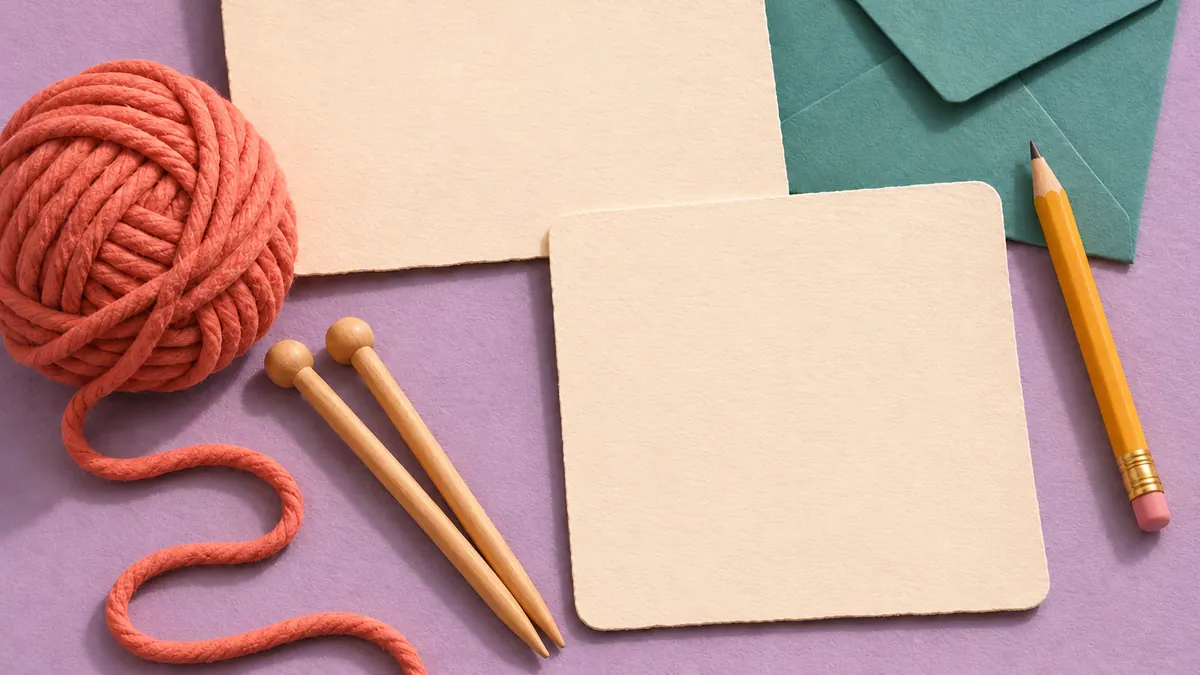
Fictional confirmed notes: Beginner knitting session. Organizer supplies one practice ball of yarn and one pair of 5 mm knitting needles per participant, to use during the session. Participants bring a small bag to carry their practice piece home. Bringing personal yarn is optional for discussion at the end; it is not needed for the exercise. No advance purchase is required. Participants who need to borrow a bag should reply to the booking email by Thursday. Whether the needles may be taken home is not yet confirmed.
There is enough information here to write useful instructions. There is also one unresolved ownership question. Keep it visible in the organizer's working notes rather than allowing AI to quietly turn borrowed equipment into a take-home gift.
Spot the errors in a fluent draft
A careless version might say: “Bring your favorite yarn, a pair of 5 mm needles, scissors, and a project bag. All materials are yours to keep. Please purchase supplies before Thursday so you are ready to begin.”
This draft sounds organized, but almost every practical decision has changed. Yarn and needles moved from provided to required. Scissors appeared without a source. A small bag became a specialized product. Equipment ownership became a promise. Thursday changed from a borrowing-request deadline into a purchasing deadline.
These errors matter because readers may spend money or arrive without something they need. Checking spelling and tone will not catch them. Compare the verbs and categories with the source: bring, provide, borrow, buy, keep, and optional each carry a different instruction.
Ask for categories before sentences
Try this prompt: “Use only these confirmed notes. Create three short sections: provided during the session, please bring, and optional. Preserve quantities and specifications exactly. Do not add common craft supplies or shopping advice. Put unresolved questions in a separate organizer-only list. Do not imply that loaned materials can be kept.”
Then review the categories before polishing the wording. If the model puts personal yarn in both required and optional sections, correct that conflict now. Formatting cannot repair a contradictory instruction.
A source-preserving participant version
Provided during the session: One practice ball of yarn and one pair of 5 mm knitting needles per participant.
Please bring: A small bag to carry your practice piece home. If you need to borrow a bag, reply to your booking email by Thursday.
Optional: You may bring personal yarn to discuss at the end. You will not need it for the exercise, and no advance purchase is required.
The reminder is short because it answers a narrow question. It does not need an enthusiastic paragraph about unlocking creativity before telling someone whether to go shopping. The organizer-only question remains: “Can participants take the supplied needles home?” Confirm that separately and add the answer only when approved.
Keep specifications attached to the right item
After a shortening pass, check that “5 mm” still describes the needles and “one” still means one pair per participant. Avoid combining several items into a sentence where quantities can attach to the wrong noun. A list often makes these relationships easier to inspect.
Do not convert units, substitute materials, or suggest cheaper alternatives without instructor approval. Even a familiar craft term can have a specific meaning in a particular project. If the notes are unclear, write a question for the organizer rather than publishing a confident substitution.
Our guide to making responsibility clear gives more examples of checking who performs each action. In this reminder, that means keeping the organizer's preparation separate from the participant's packing.
Review it as someone leaving home
Read only the participant version and ask three questions: What must I carry? What can I leave at home? What do I do if I cannot bring the required item? Each answer should be available without consulting the instructor's private notes.
Check the borrowing route and deadline against the actual booking process before sending. If the reminder includes a date, location, or contact address, copy it from the approved event record. This example deliberately does not invent those details.
You can use AI Undetectable to explore clearer wording after the categories are settled. Compare the result with the source sheet again, especially words that change an item's status. A natural tone is useful; a detector score does not verify that the supplies list is correct.
The finished message should leave the reader with fewer decisions, not extra purchases. Keep the required list small, the optional list honestly optional, and every promise tied to a confirmed organizer decision.